Water Damage Restoration in Platinum Triangle, CA
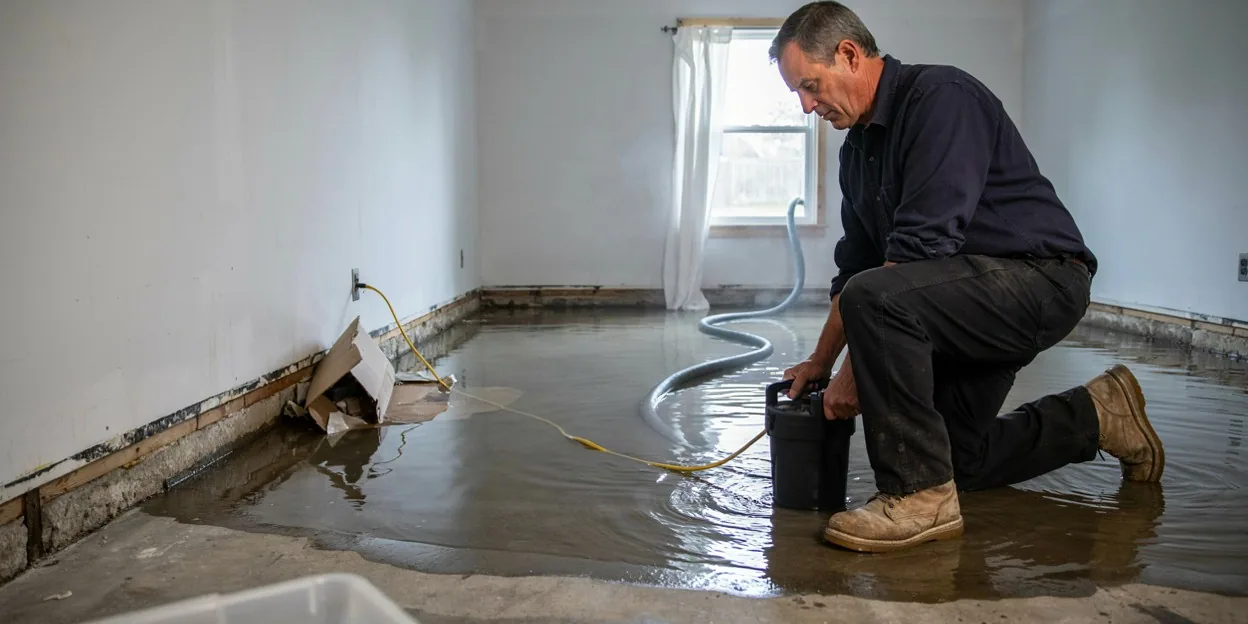
The Platinum Triangle is the wedge of Anaheim between the 57 Freeway, the 5, and the Santa Ana River, around Angel Stadium and Honda Center. Until the early 2000s it was warehouses and parking lots. Since then the city has let it grow into mid-rise apartments and condominiums along Katella Avenue, State College Boulevard, and Gene Autry Way, with a few thousand units built and more going up, most of them wood-framed over a concrete podium with retail on the ground floor.
That construction changes the water problem. There is no slab under your living room; there is another unit. A washing machine hose on the fourth floor shows up as a ceiling stain on the third and a wet carpet on the second, and the pipes that serve the whole building run in chases that belong to the association, not to you.
This site connects Platinum Triangle residents and owners with an independent local water damage provider by phone. The provider meters your unit and the ones around it and documents which is which.
Platinum Triangle water damage in a condo stacked over a parking garage
A dishwasher supply line that let go and ran under the engineered plank is a water extraction call, with the unit below checked the same day. A ceiling that dripped after the neighbor upstairs overflowed a tub is structural drying of your drywall and their subfloor. A slow leak inside a shared wall that nobody can see is leak detection with the association's plumber in the loop.
The stadium, the river, and who owns the pipe
Angel Stadium, home to the Angels since 1966, sits in the middle of the district beside the river channel, and on a game night the streets around it close, which is worth mentioning when you call. Repairs inside your unit go through the City of Anaheim's building counter; repairs to building plumbing go through the association's manager, and the provider will ask early which one the leak is.
Call (657) 239-3689 and say which floor you are on and where the water is. An independent local water damage provider serving the Platinum Triangle takes it from there.
Services Available in Platinum Triangle
Water Extraction
Standing water pulled off tile, carpet pad, and the concrete slab under them, followed by the first meter readings at every wall base.
Structural Drying
Air movers and dehumidifiers run against daily readings until slab, studs, and drywall come back to dry in a closed-up Anaheim house.
Leak Detection
The warm tile, the spinning meter, and the damp carpet traced to a pipe under the slab or inside a wall before anyone opens concrete.
Slab Leak Cleanup
Cleanup after hard water pitted a copper line under the slab, with the soaked flooring, cabinet bases, and lower drywall dried or removed.
Winter Storm Flood Cleanup
Mud and street water pumped out of a garage or living room after an atmospheric river, and everything it touched sorted for drying or disposal.
Water Heater Leak Cleanup
Drying after a tank in the garage or a hallway closet let go, including the drywall behind the stand and the rooms on the other side of it.
Sewer Backup Cleanup
Removal of water that came up through a shower drain or toilet from an aging cast-iron line, with contaminated flooring and drywall handled as such.
Roof Leak Water Damage
Attic insulation, ceilings, and walls dried after wind-driven winter rain found a cracked tile or a failed flashing on a north county roof.